Know What Your Trees Need Before Problems Spread
Professional tree health assessments in Parkersburg and the neighboring West Virginia and Ohio communities that identify disease, structural risks, and stress before they threaten your property or landscape.
If you have older trees around your home in Parkersburg, Ravensqood, Pomeroy or a surrounding area, you may have noticed changes in their appearance but are unsure whether they signal a serious problem or just seasonal variation. Leaves that drop early, branches that die back, cracks in the trunk, or fungal growth near the base can all point to underlying issues that weaken the tree over time. Without a clear understanding of what is happening inside the tree, you might wait too long to act or remove a tree that could have been saved.
Brunoni's Tree Service conducts tree health assessments by examining the canopy, trunk, root zone, and surrounding soil conditions to identify signs of disease, decay, pest activity, and structural instability. The assessment considers the species, age, and growing conditions specific to properties in Parkersburg, where soil moisture, local climate, and common tree species like oaks, maples, and sycamores all affect long-term health. You receive a clear explanation of what was found and what your options are moving forward, whether that means pruning, treatment, monitoring, or removal.
Contact Brunoni's Tree Service to schedule a tree health assessment and get informed guidance on protecting the trees that matter most to your property.
How the Assessment Identifies Hidden Risks
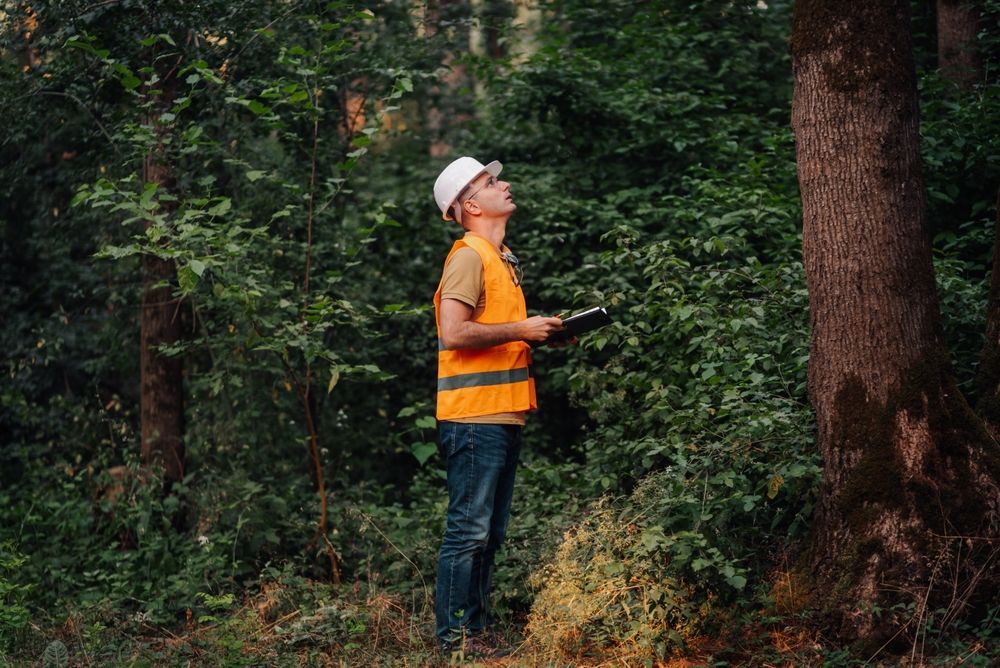
During a tree health assessment in the Parkersburg area, the crew inspects the tree from the ground up, looking at leaf color and density, branch structure, bark condition, and any visible wounds or cavities. They check for cracks, splits, or leaning that suggest the tree is under stress or losing structural integrity. They also examine the root zone for signs of decay, compaction, or fungal bodies that indicate problems below the surface.
Once the inspection is complete, you will understand whether the tree is healthy, declining, or at risk of failure. You will know if a specific disease or pest is present, whether pruning can reduce hazard, and if the tree is likely to survive another five or ten years. This information helps you decide whether to invest in care or plan for removal before the tree becomes a liability.
The assessment is especially useful for large shade trees near homes, trees that have survived storms or construction, and properties where multiple trees show similar symptoms. It does not include laboratory testing or soil analysis unless arranged separately, but it provides a practical evaluation based on visual signs and professional experience. The goal is to give you enough information to make decisions that keep your property safe and your landscape intact.
Property owners in Parkersburg and the neighboring West Virginia and Ohio communities often ask about what the assessment covers, how long it takes, and what happens after the evaluation is finished.
You Probably Have a Few Questions
Brunoni's Tree Service has worked with property owners across the Ravenswood, WV area to evaluate trees on residential lots, commercial sites, and near structures where safety is a priority.
If you want to know what is happening with your trees before problems worsen, call (740) 512-2147 to schedule a professional tree health assessment and get the information you need to move forward with confidence.